


SOME vs ANY grammar activity for adult ESL | Linguistic Investigation
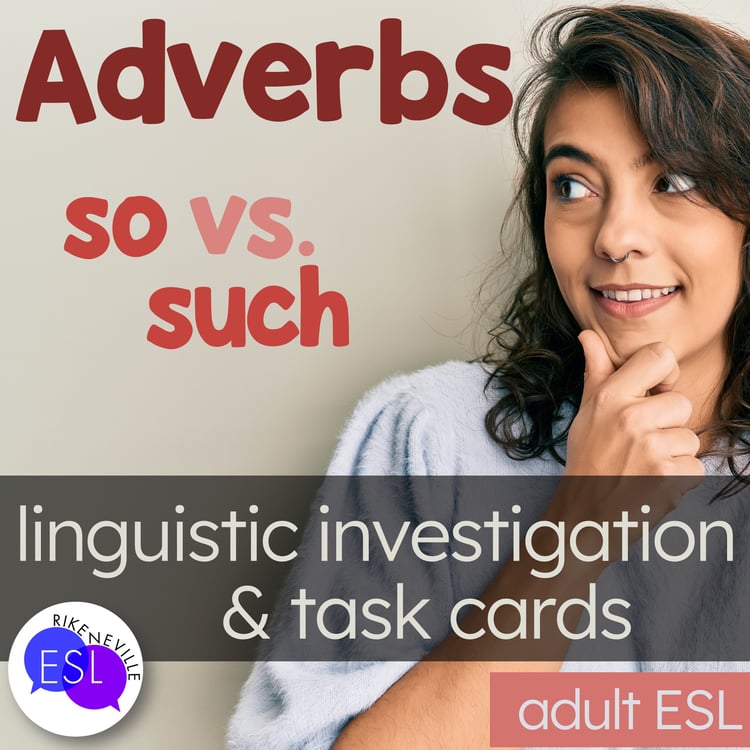
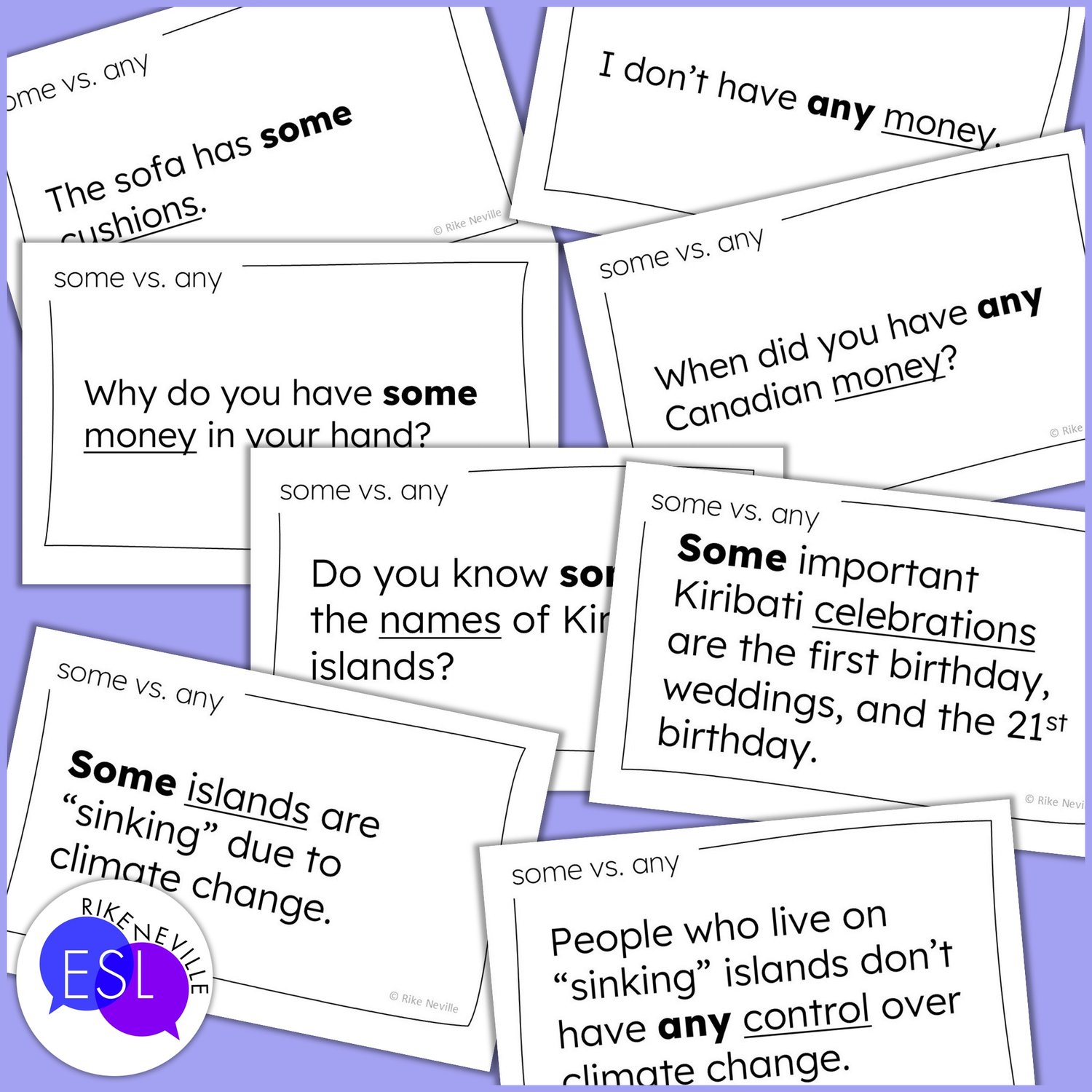
Adult ESL grammar students discover the rules for some and any themselves in this linguistic investigation activity. No lecture required. By analyzing 40 (or fewer, it’s up to you) real sentence examples, they uncover the patterns on their own, which builds the kind of understanding that internalizes grammar concepts.
Discovery-based learning puts students in control of their thinking instead of making them passive note-takers. When they figure out the rules themselves, they internalize them in a way that shows up in their reading, writing, speaking, and listening in whatever they're working toward, whether that's English proficiency exams, daily communication, or something else entirely.
WHAT'S INSIDE this 11-page PDF:
- ✅ teacher suggestions for facilitating the activity and guiding discussions
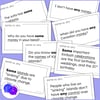
- ✅ 40 sentence cards (5 pages) for students to examine and analyze
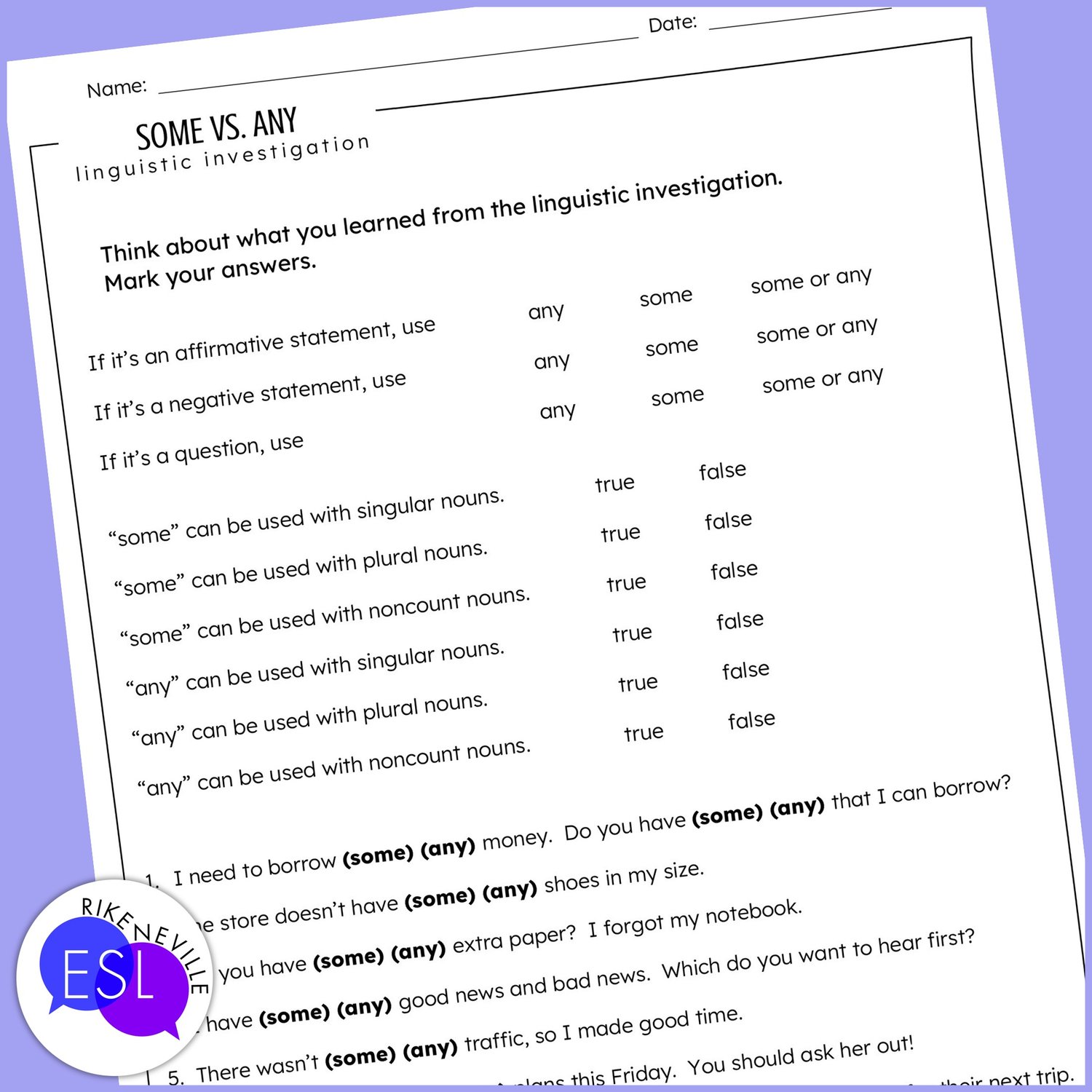
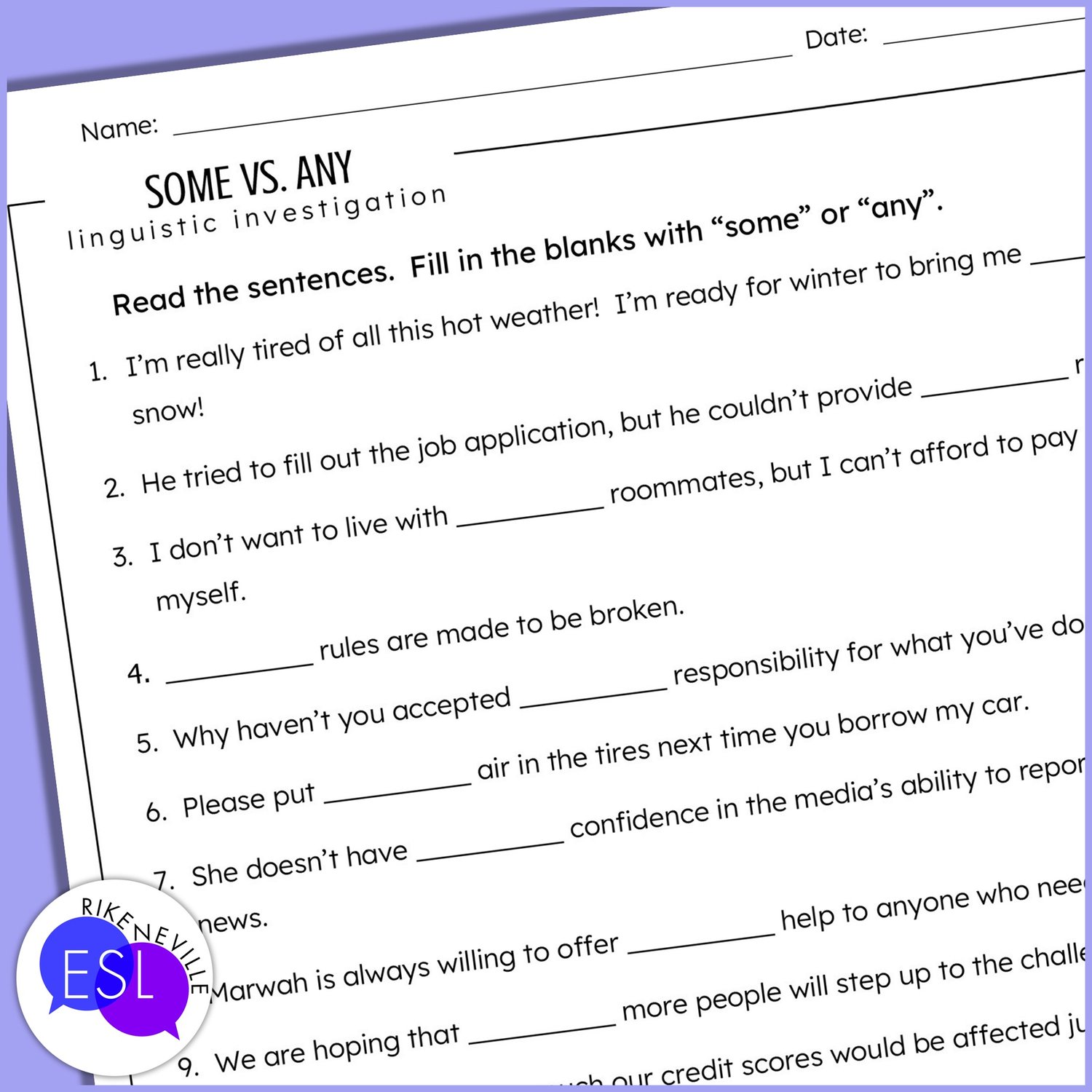
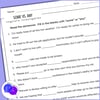
- ✅ Rule and gap-fill worksheet where students solidify their understanding by completing rules and sentences, plus an answer key
- ✅ A second gap-fill worksheet with a unique focus, plus an answer key
HOW TO USE THIS LINGUISTIC INVESTIGATION:
Start with the sentence cards. Students examine the 40 examples in pairs or small groups, looking for patterns in how some and any are used. You're there to prompt their thinking if needed, but they're doing the analysis.
Once they've formed their hypotheses, move to the rule and gap-fill worksheet. Students write out the rules in their own words, then apply them in context. Use the second worksheet to deepen understanding of a related distinction. Assign them as classwork, pair work, or homework...whatever fits your lesson flow.
THIS WAS CREATED FOR ADULT ESL STUDENTS
Your beginner adult ESL grammar students are capable of real analytical thinking, and this activity respects that. Instead of handing them a rule chart to memorize, you're giving them the evidence and asking them to think like linguists. That kind of active engagement supports grammar development across all four language domains and prepares students for the demands of academic study, professional communication, and everyday life.
The sentence content is designed to feel relevant to adult students. However, this activity also works well with secondary ESL students and even native English-speaking students who need to fill gaps in their grammar knowledge.