







SH vs CH Pronunciation: Minimal Pairs for Adult ESL
/ʃ/ vs. /tʃ/ minimal pairs are what helped some of my adult ESL students stop calling me “Teasher.” Minimal pairs can do that for your students as well, but they can also help them improve their pronunciation and listening skills. Now, /ʃ/ and /tʃ/ look almost identical on the lips, so your students can’t just watch their way to the right sound. This resource pack trains their ear to catch what their eyes can’t. You get a presentation, an activity pack, flashcards, and an “I Have... Who Has...?” game.
THE SOUND PAIR: /ʃ/ vs. /tʃ/ (SH vs. CH)
/ʃ/ and /tʃ/ are made in almost the same place in the mouth, with the same rounded lip shape. The difference is in how the sound starts: /ʃ/ can be held steady (shhh), while /tʃ/ begins with an abrupt stop before it releases. The mix-up goes both directions depending on a student's first language. Spanish doesn't have /ʃ/, so Spanish-speaking students often say "cheep" for "sheep" and "watch" for "wash." Arabic doesn't have /tʃ/, so Arabic-speaking students often default to /ʃ/, turning "teacher" into "teasher" and "watch" into "wash." Either way, students don't always know they're saying the wrong word.
Placing /ʃ/ and /tʃ/ words side by side with real photos, repetition, and structured listening practice is what starts to pull those two sounds apart in a student’s ear. Once they can hear the difference, they can begin to catch themselves. That's what this pronunciation pack is made for.
WHAT’S INSIDE:
✅ Photo Presentation
- Full-color real photos illustrate 35 minimal pairs
- One pair per slide to keep the focus on the target sounds
- Perfect for whole-class presentations, small group work, or individual review
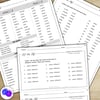
✅ Activity Pack (covers more than 35 minimal pairs)
- Teacher’s Guide & Table of Contents: a clear outline of all materials, with suggestions on how to adapt activities for different student needs
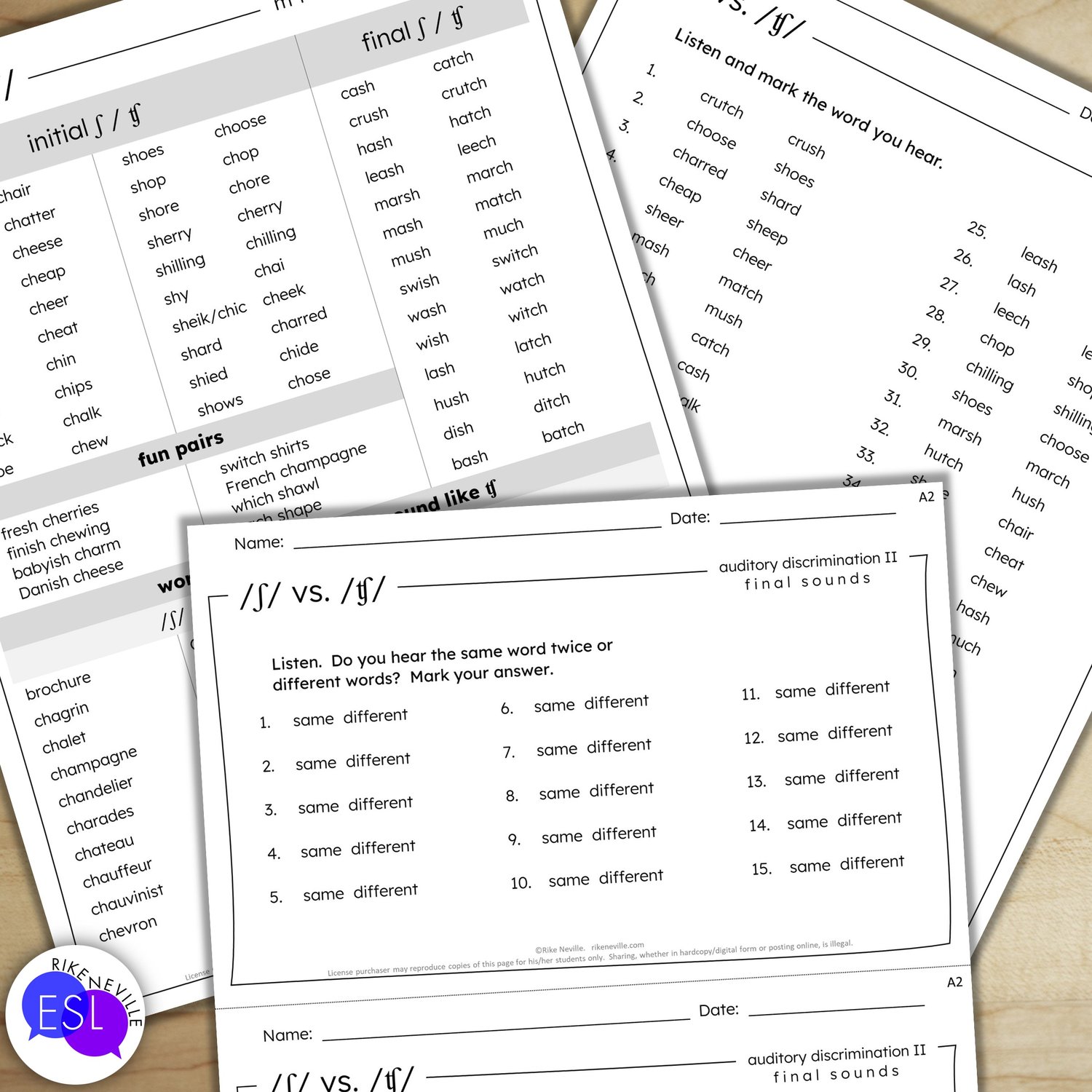
- Minimal Pair Handouts (multiple versions): perfect for introducing the sound contrast and giving students a take-home reference
- Auditory Discrimination Worksheet #1: students hear one word and mark which word they heard from the pair
- Auditory Discrimination Worksheet #2: students hear word pairs and decide if they are the “same” or “different” words
- Listening Labyrinth Activity: a fun, interactive listening activity where students follow a path through a grid of minimal pairs. Includes a teacher’s guide and answer key.
- Whole-Class Assessment Ideas + Mini Posters & Word Cards: easy-to-use materials for informal assessment and reinforcement. Great for substitute plans or group warm-ups.
The listening activities are teacher-led. You read the words aloud, so you can adjust the speed and repetition to fit your students.
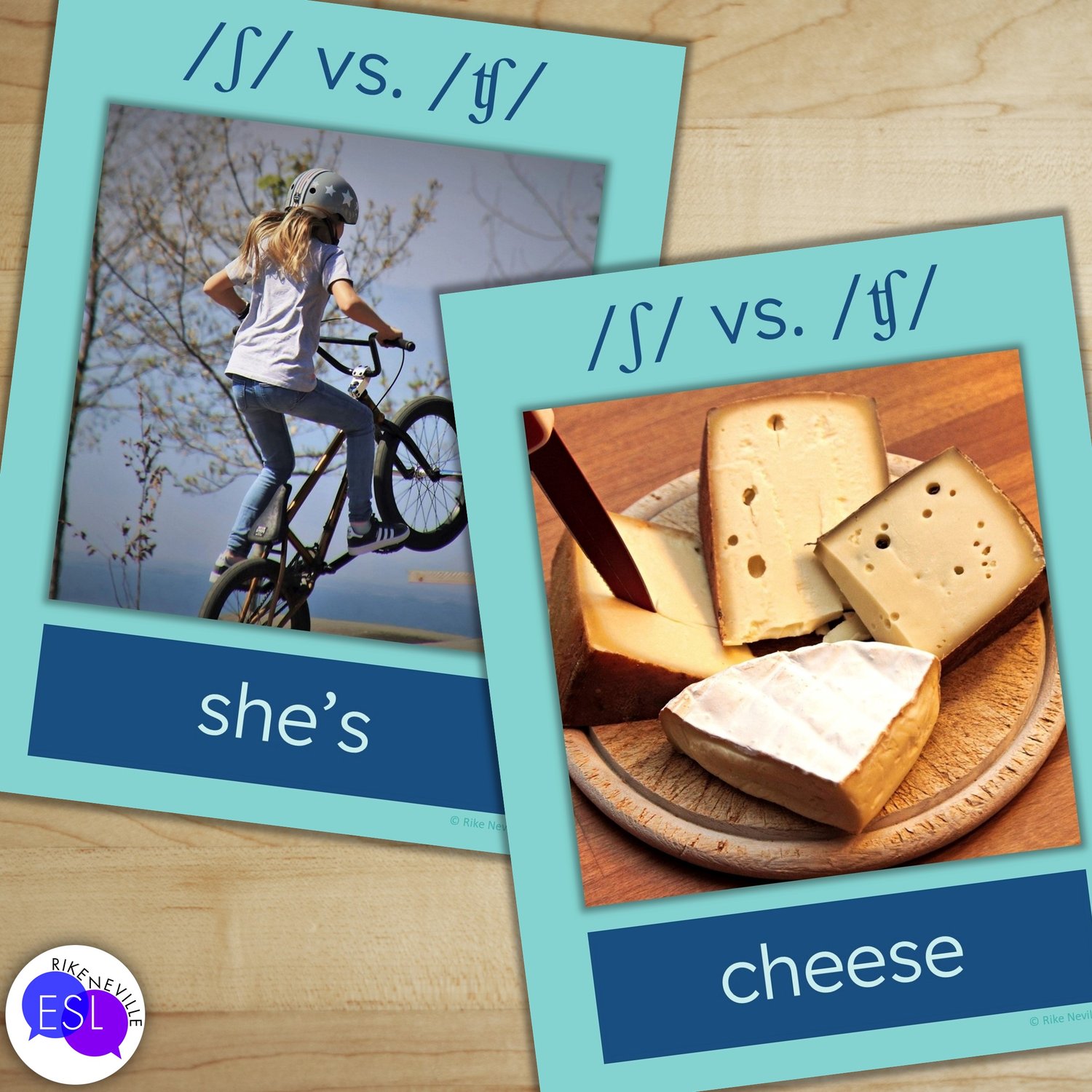
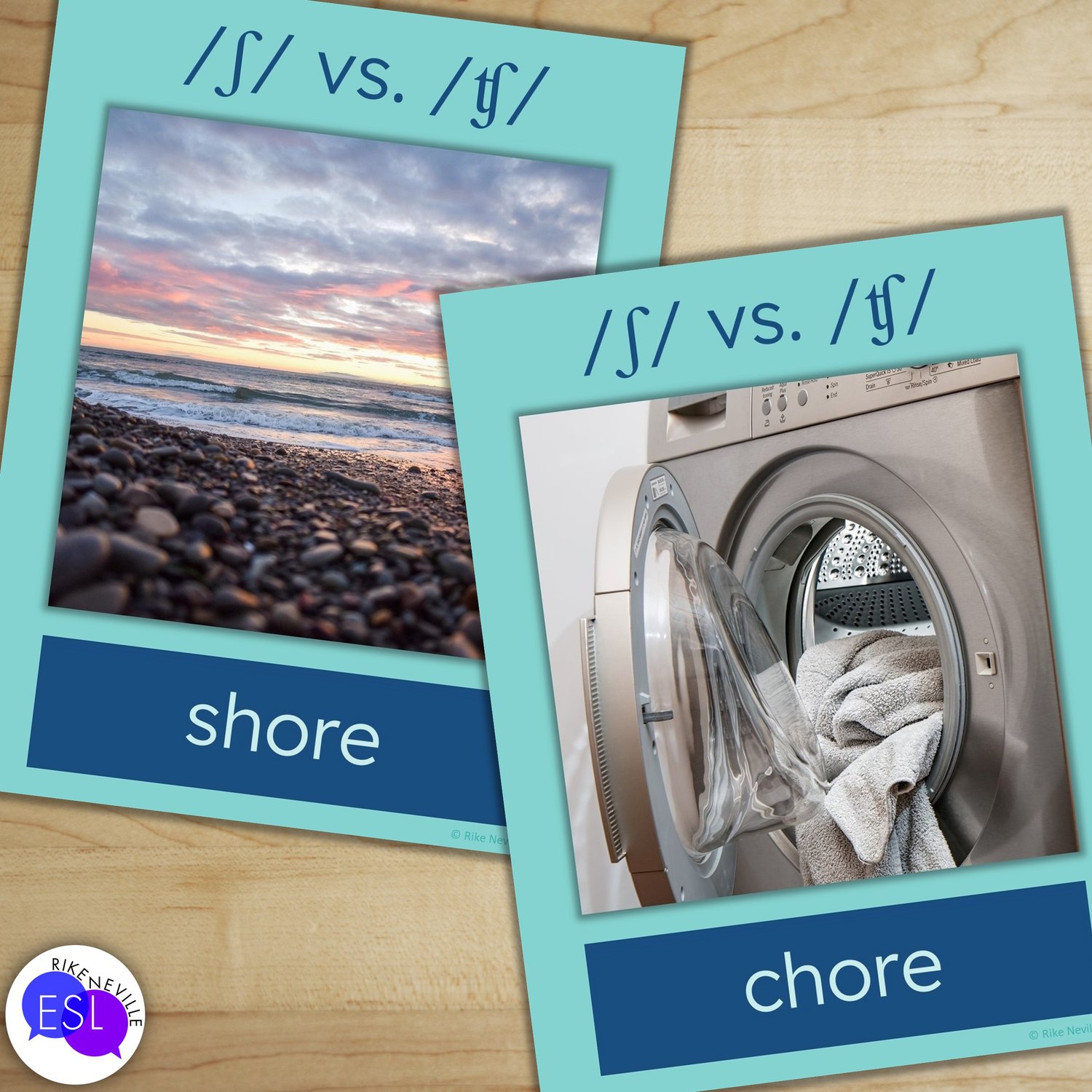
✅ Photo Flashcards
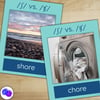
One small articulatory move separates /ʃ/ from /tʃ/, and these no-tech flashcards help adult ESL students feel and hear that difference through focused pronunciation practice. With 34 SH/CH minimal pairs on low-prep, screen-free cards, targeted articulation work has never been easier to deliver.
- A set of 68 cards featuring 34 minimal pairs with /ʃ/ and /tʃ/ in the initial and final positions
- Printed four per page for easy cutting and classroom use
- All cards are in full color, and each features a real photograph with a word from the pair, giving students both a visual and a written anchor
✅ “I Have... Who Has...?” Game
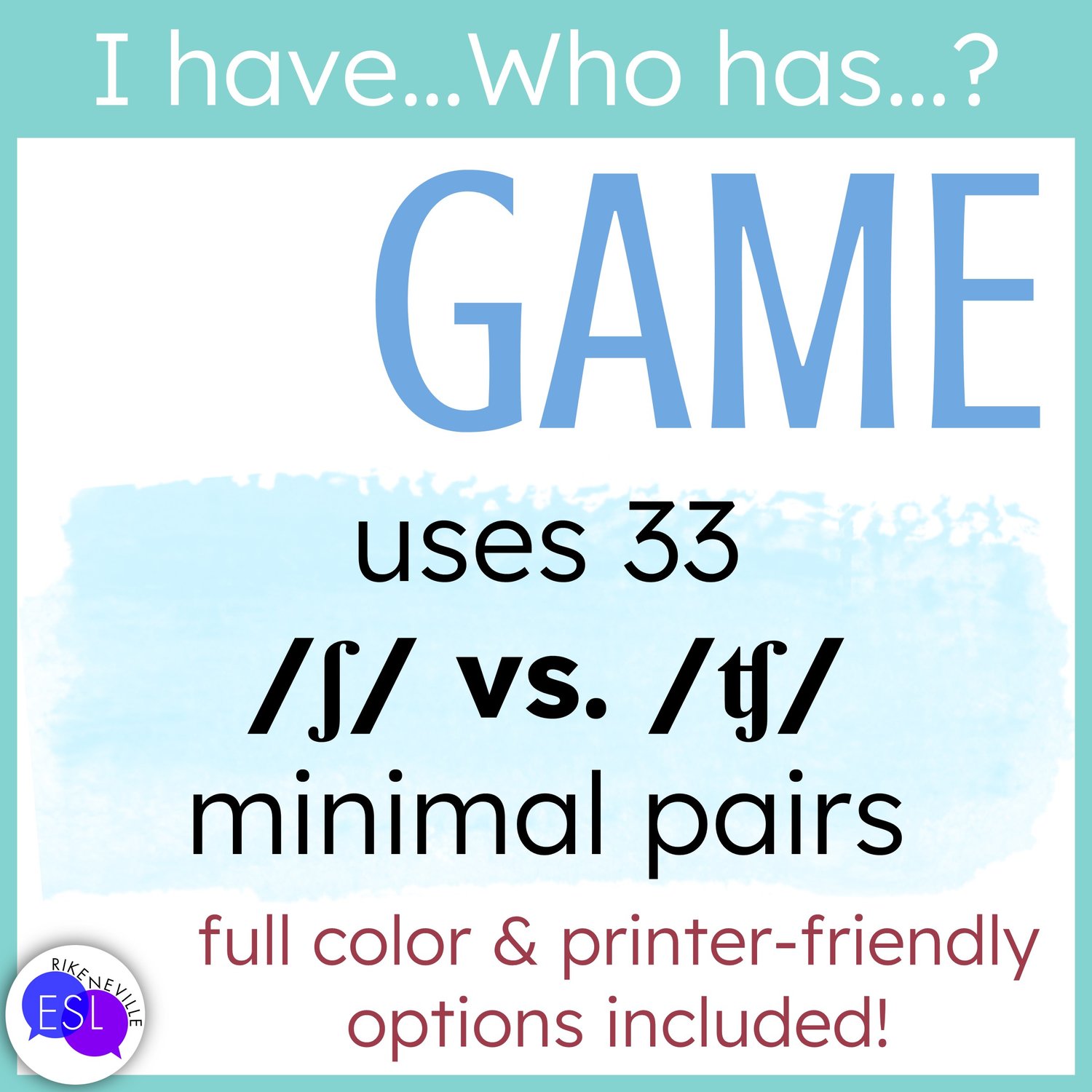
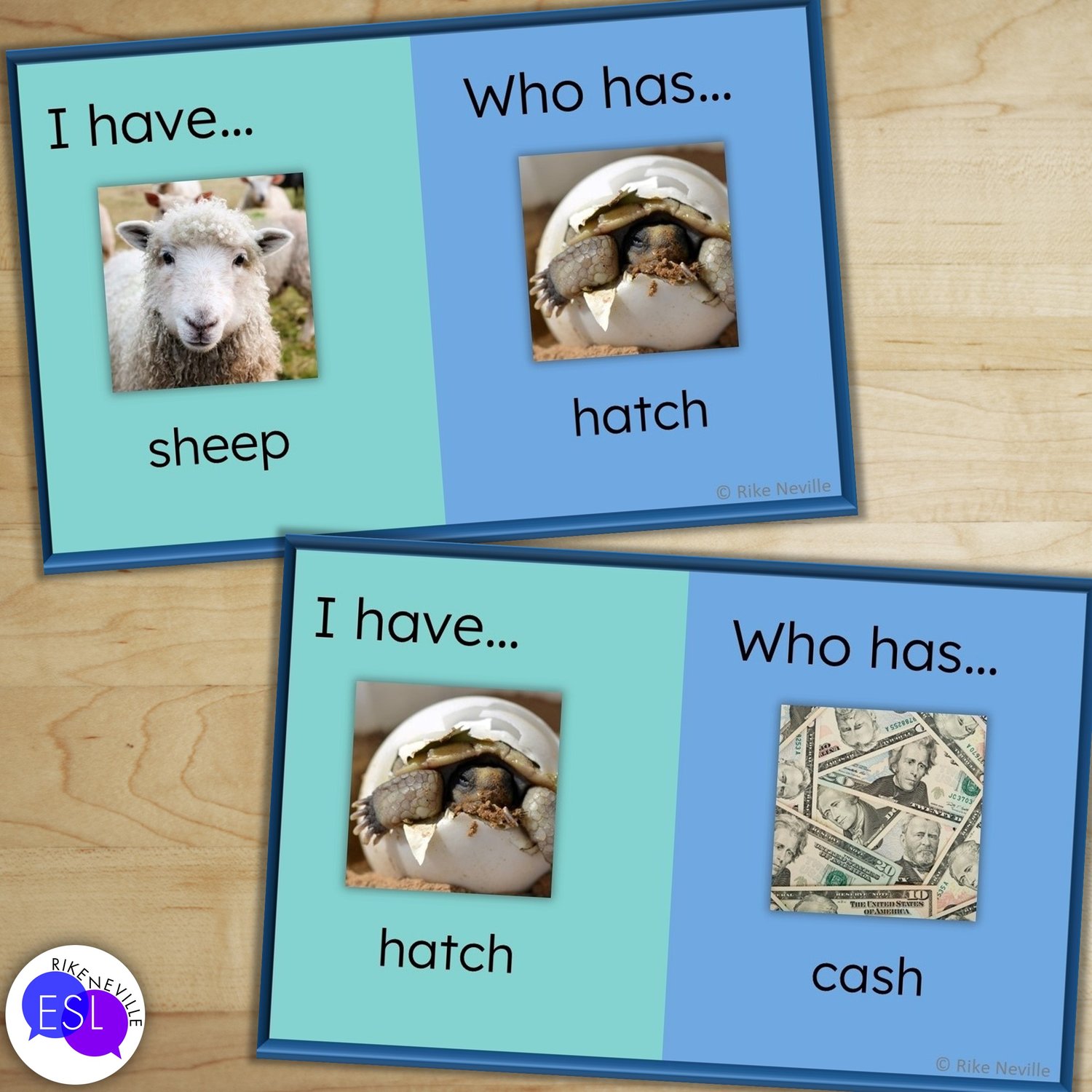
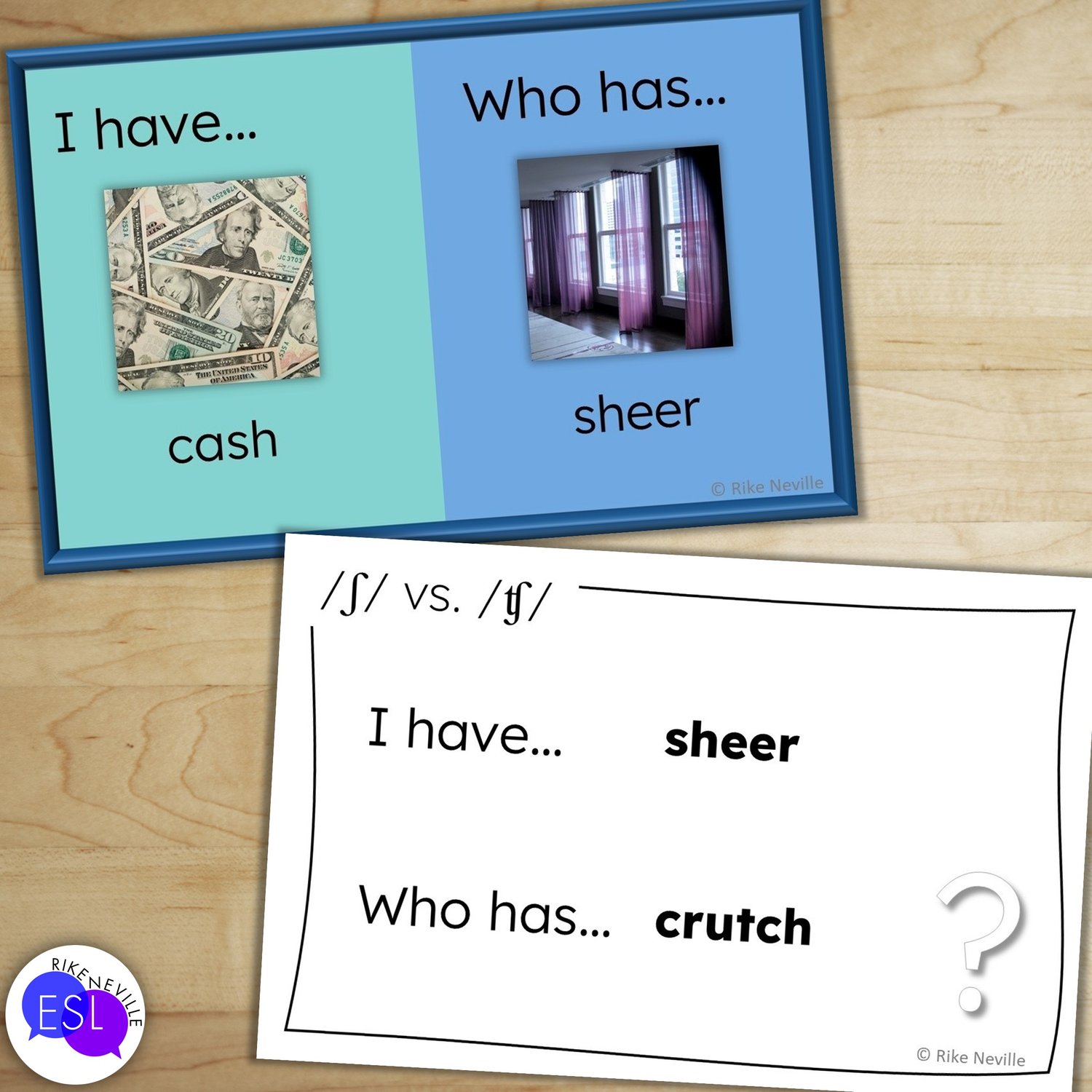
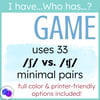
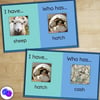
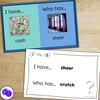
This game helps adult ESL students tune in to that distinction between the sh and ch sounds with 33 /ʃ/ vs. /tʃ/ minimal pairs in a lively, interactive format. It is one of those pronunciation resources you’ll be glad you have in your back pocket. It covers the same ground as traditional drilling, but students are usually so caught up in the game that they don’t notice how much focused practice they’re getting.
- 66 cards built around 33 minimal pairs
- Two versions: a simple black-and-white, text-only version (easy on the printer budget) and a color version with real photos. The color one is great for visual learners who feel like they need to know the meaning of the words. The B&W version holds up just fine on its own and is perfect for students ready to focus entirely on their pronunciation of the targeted sounds.
- Reference pages so you, or a sub, can follow along, catch pronunciation errors as the game moves, and make sure no one mishears something and derails the game.
WHY REAL PHOTOS?
When students know what a word means, pronunciation practice stays on track. A quick glance at the photo is all it takes. No stopping to explain or look things up, because students get the meaning right away and can stay focused on the sound.
Adults notice when they’re practicing with made-up words, and it can undermine the whole exercise. Every word here is real and photo-supported, so students stay focused on the sound instead of wondering whether what they’re practicing is even a real word. Some words will be more familiar to your students than others, but every word they’re listening to and repeating exists in English.
THIS WAS CREATED FOR ADULT ESL STUDENTS
I created this with adult students in mind. These are the activities I’ve used with my own students, refined after they told me (bluntly at times) what wasn’t working and what was. The practice is focused on the exact point of confusion: two sounds your students may be producing interchangeably without knowing it, with real consequences when they do.
No cartoonish clipart, no children’s content. The images are real photographs, not kiddie clipart, so it never feels condescending or juvenile. Because the design is age-neutral and the photos show everyday objects and situations, this resource works well across a wide age range, from teens to senior citizens, without anyone feeling talked down to.
Every activity is designed with flexibility in mind. You can adjust the speed of word delivery, choose whether or not to repeat, and modify how much support you provide, which means this resource works across a range of levels and classroom contexts.


