
Adverbs REALLY vs. VERY grammar for Adult ESL | Linguistic Investigation
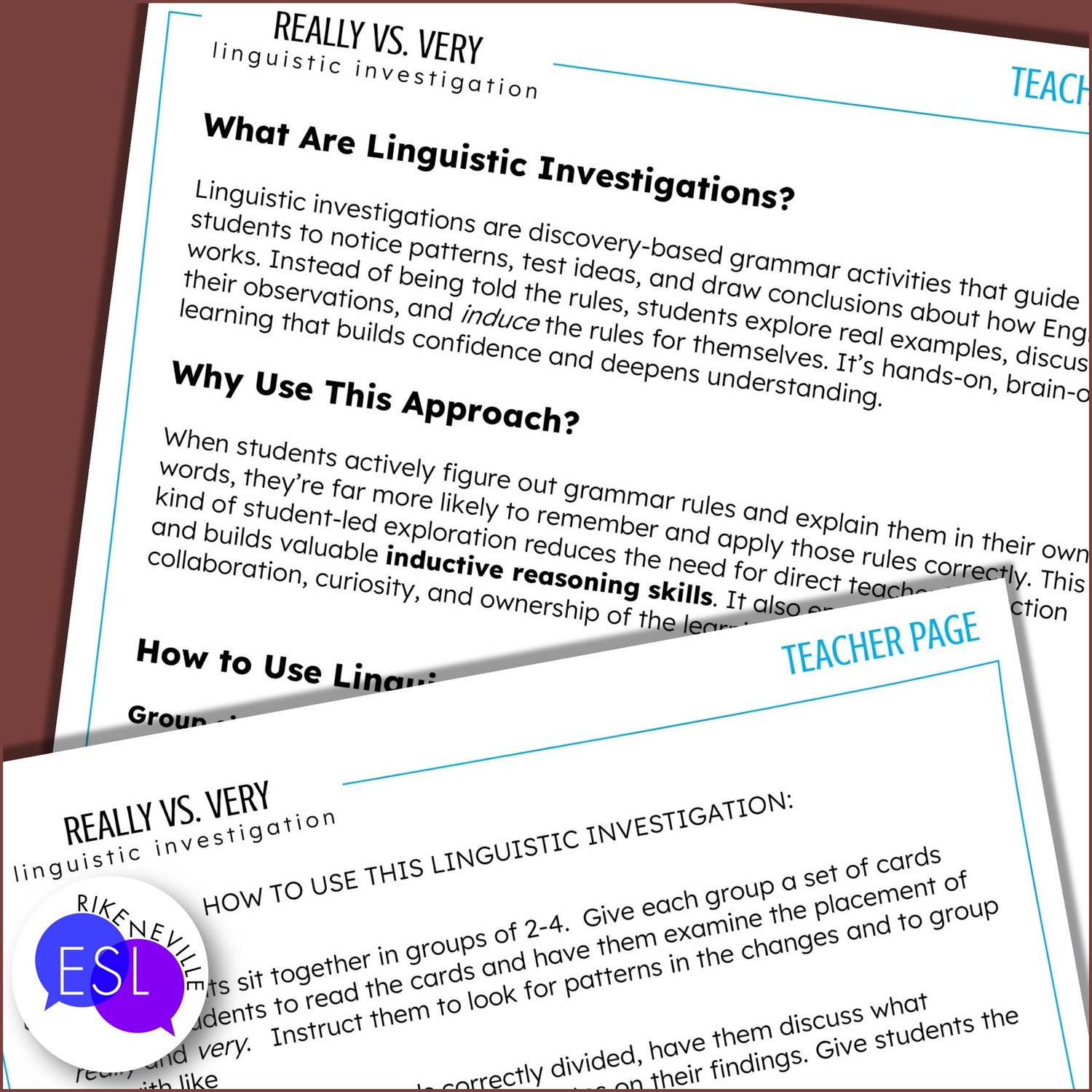
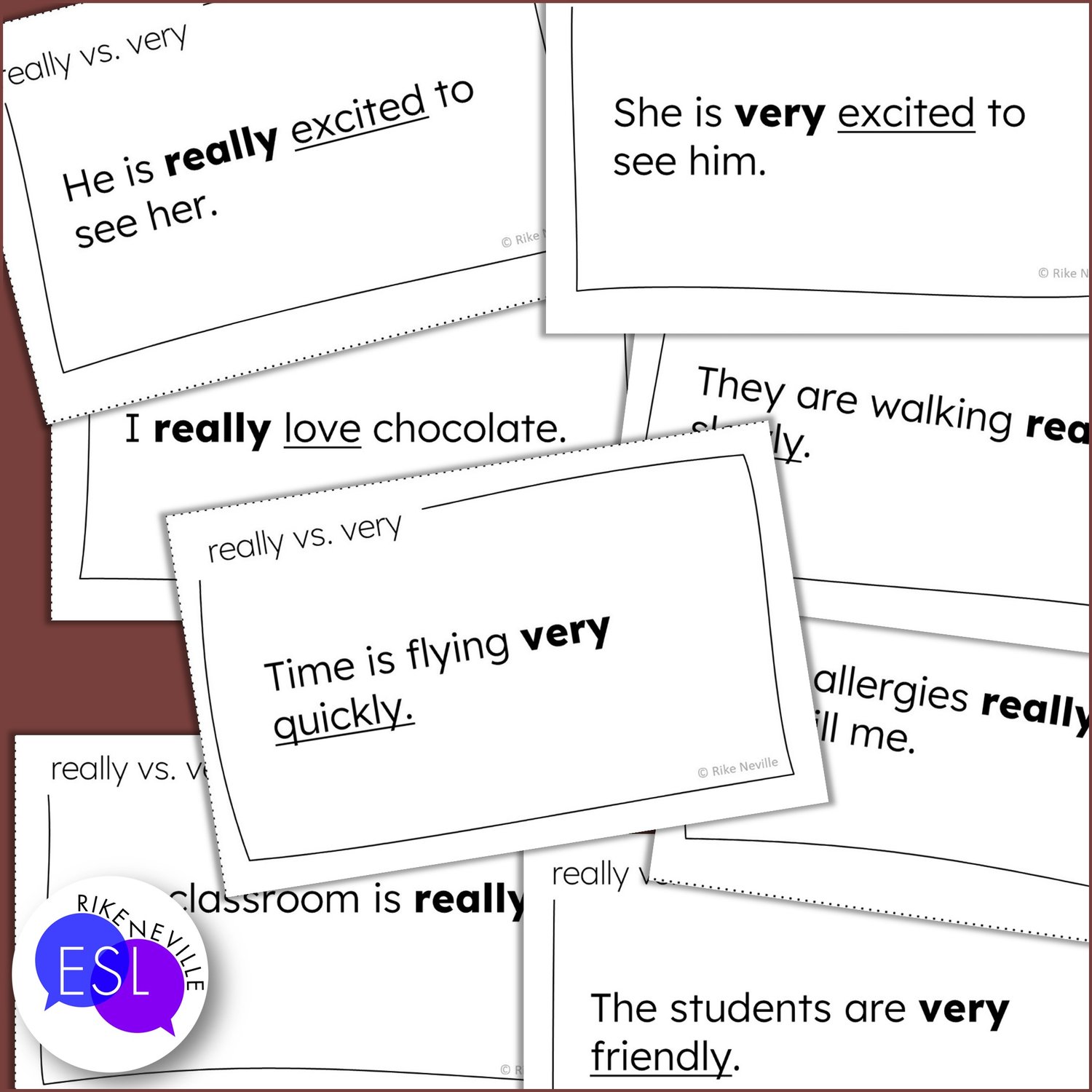
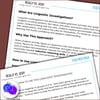
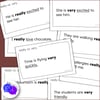
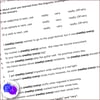
Your adult ESL grammar students will sort out the difference between really and very in this 12-page deductive discovery activity. Your students will be working together to figure out how these two words behave differently before they ever see a rule written out for them.
This is the kind of grammar lesson that internalizes grammar rules. When students analyze examples, talk through what they notice, and put the rule into their own words, they're building the judgment they need to use really and very correctly in conversation, in reading, in writing, and in every other context where English shows up in their lives.
WHAT'S INSIDE this 12-page PDF:
- ✅ two versions of the discovery activity, one with underlined keywords to guide learners and one without (for students ready to do more of their own sleuthing)
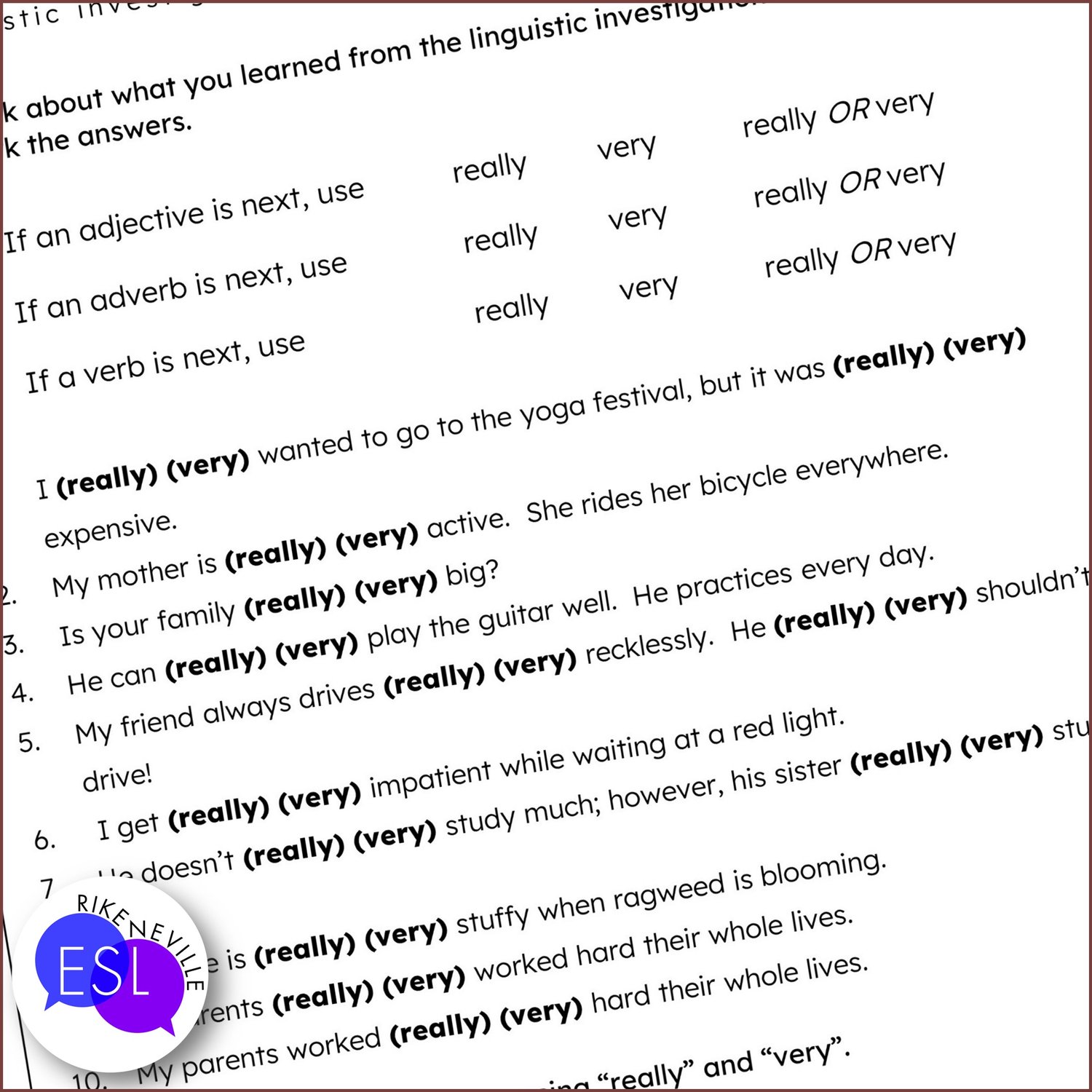
- ✅ a follow-up fill-in-the-blank worksheet with answer key
HOW TO USE THIS ACTIVITY:
Start with the discovery activity. Put students in pairs or small groups and let them dig into the examples. The version with underlined clue words works well when your class needs a bit more scaffolding...the version without is a better challenge for students who are ready to work more independently.
Once they've talked through what they noticed and landed on a rule, move to the fill-in-the-blank worksheet to reinforce what they figured out. Use it as guided practice, partner work, or homework, whatever fits your class that day.
THIS WAS CREATED FOR YOUR ADULT ESL STUDENTS
This activity is designed for beginner adult ESL grammar students, people who are building the vocabulary and grammar foundation they need to understand what they read, follow what they hear, hold conversations, and express themselves clearly in writing.
The two-version format means you can differentiate without creating extra work for yourself. Give the scaffolded version to students who need that support and the more open-ended version to those ready for a bigger challenge—same lesson, same prep time. (Cutting out the cards is the only prep!)
This also works well for secondary ESL students and native English speakers who need to fill in gaps in their grammar knowledge.