

Comparative Adverbs Grammar Guide & Worksheets - Remediation & Adult ESL
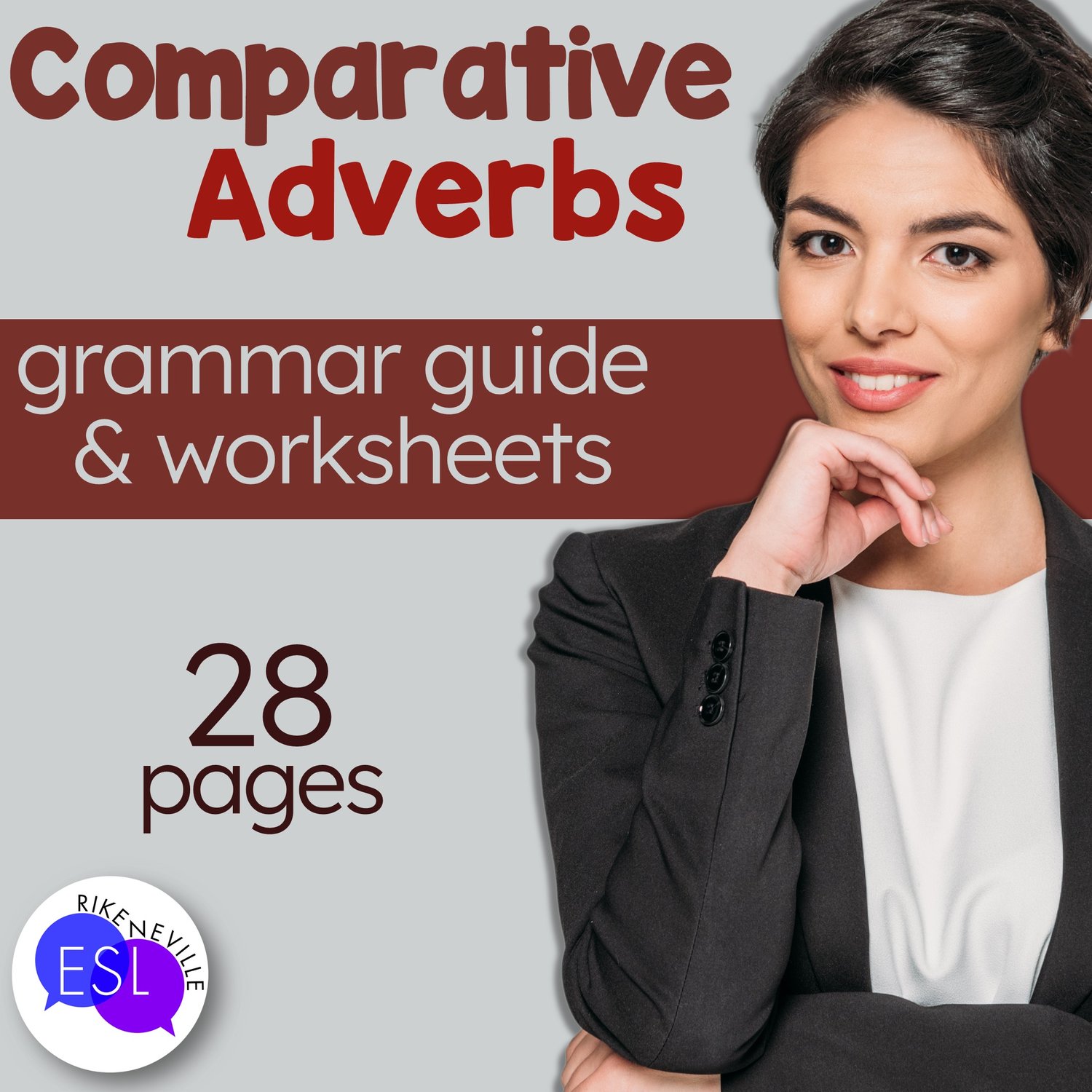
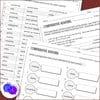
Your adult ESL grammar students will get clear explanations and layered practice in this 28-page comparative adverbs resource so they can compare actions with confidence. Students learn how to form comparative adverbs correctly, then practice through error correction, sentence completion, and creating their own comparisons.
You want this because your students need to move beyond basic sentences like "She runs fast" to more nuanced comparisons like "She doesn’t run as fast as her sister" or "He speaks much more clearly now." This resource breaks down the formation rules and gives them multiple ways to practice until comparative adverbs become automatic.
WHAT'S INSIDE this 28-page PDF:
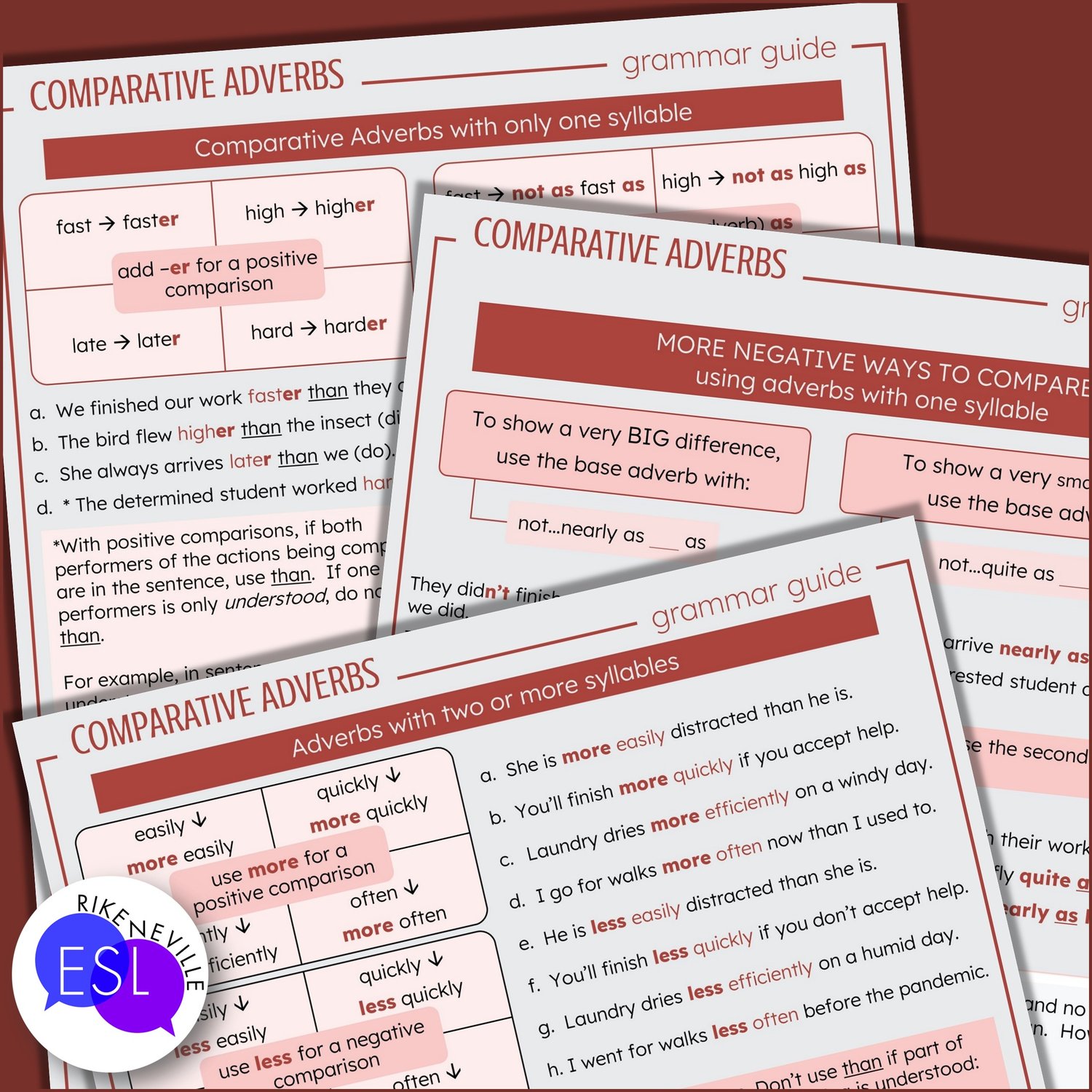
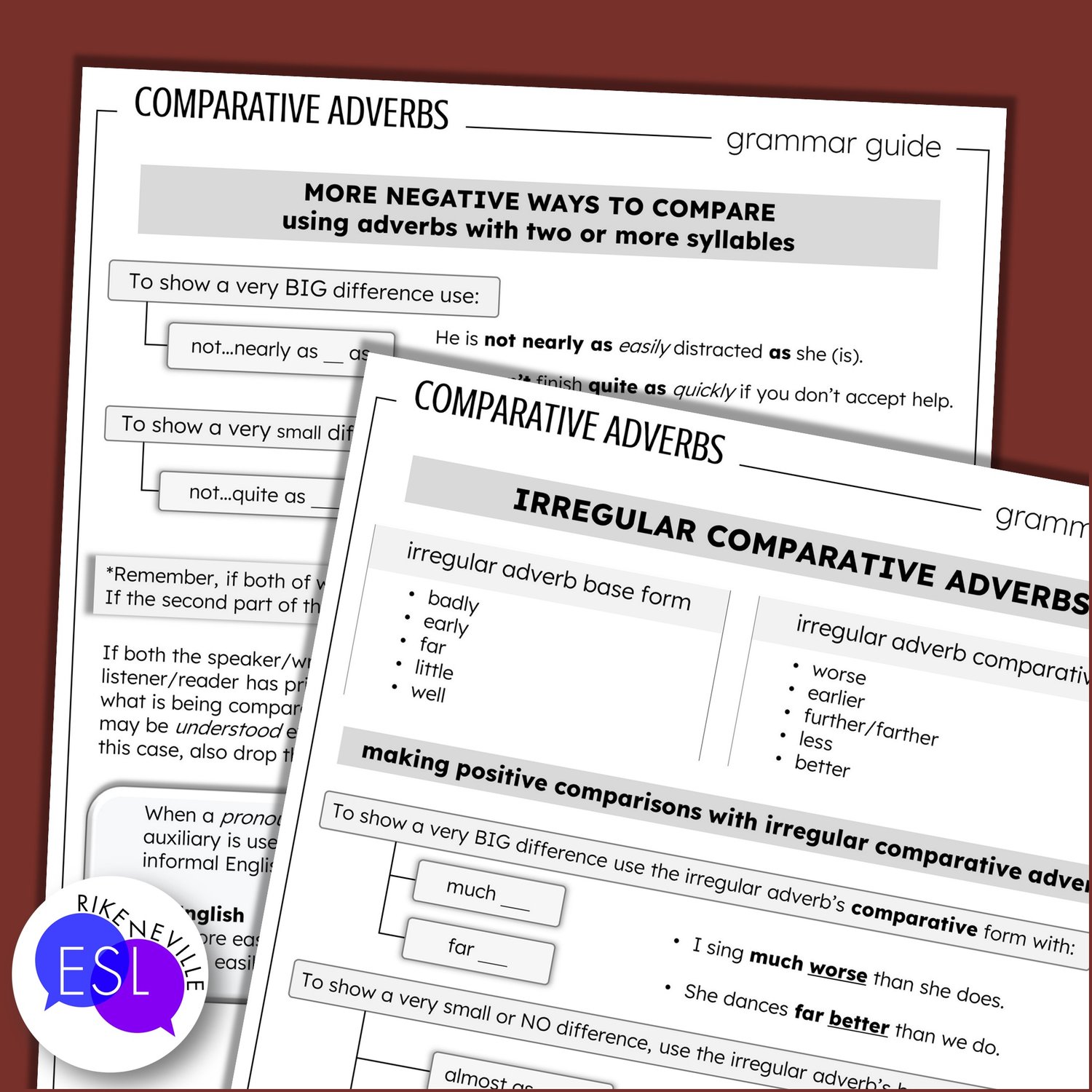
✅ Color-coded grammar guide (full color + black and white versions for printing)
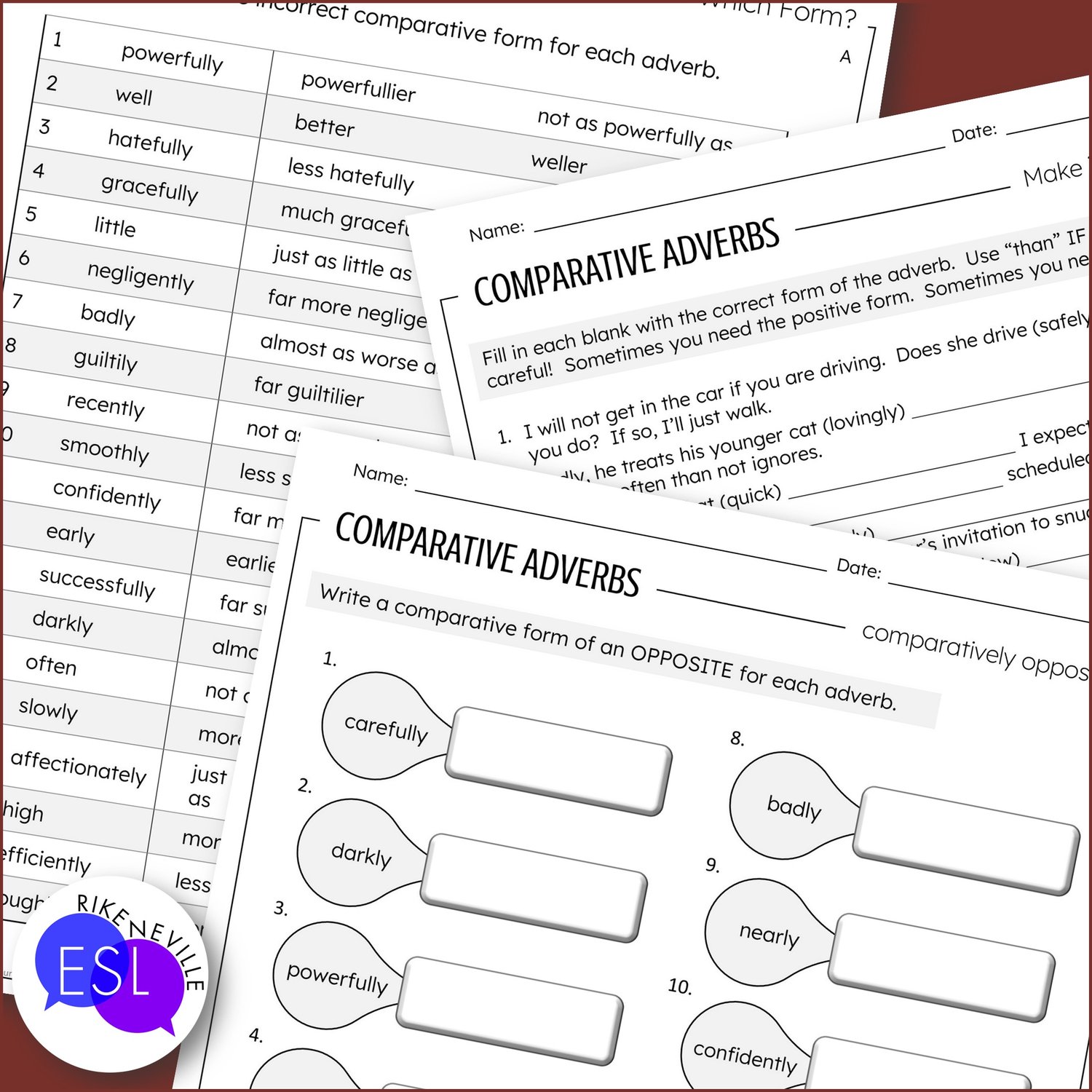
✅ Error correction worksheets (identifying incorrect comparative forms)
✅ Form conversion practice (changing adverbs to comparative forms, with and without hints)
✅ Contextual sentence completion (choosing positive or negative comparative forms)
✅ Opposite comparison practice (writing comparative forms of opposite adverbs)
✅ Answer keys for all activities
LAYERED PRACTICE
The worksheets build from recognition to production. Students start by crossing out incorrect forms, then convert adverbs to comparatives with hints, and then without hints. They fill in comparatives based on sentence context, then create opposite comparisons on their own. Each activity type appears in multiple versions so you can choose based on your students' readiness.
HOW TO USE THIS:
Start with the grammar guide. Project the color version or print the black and white version for student notebooks. Go through the formation rules together.
Then choose your practice worksheets. Use worksheets A and B for quick error correction warm-ups. Move to the conversion practice (C1-C3) when students are ready to form comparatives themselves. Use the hint versions first, then challenge them with C3. The sentence completion worksheets (D1-D3) work well for homework or independent practice since students use context clues to choose the right form.
THIS WAS CREATED FOR YOUR ADULT ESL STUDENTS
Your mid-beginner to low-intermediate students already know basic adverbs. Now they need to compare actions in writing and conversation for work emails, academic essays, and everyday communication. Comparative adverbs help them describe how someone performed better in a presentation, completed a task more carefully, or responded less quickly than expected.
The color-coded grammar guide respects their intelligence while making the rules visual and clear. The scaffolded practice lets them build confidence before tackling harder versions. And because the worksheets progress from supported to independent practice, students at different levels can work through the same resource at their own pace.
This also works well for ESL and native English-speaking secondary students who need structured grammar practice.